
 Give a Gift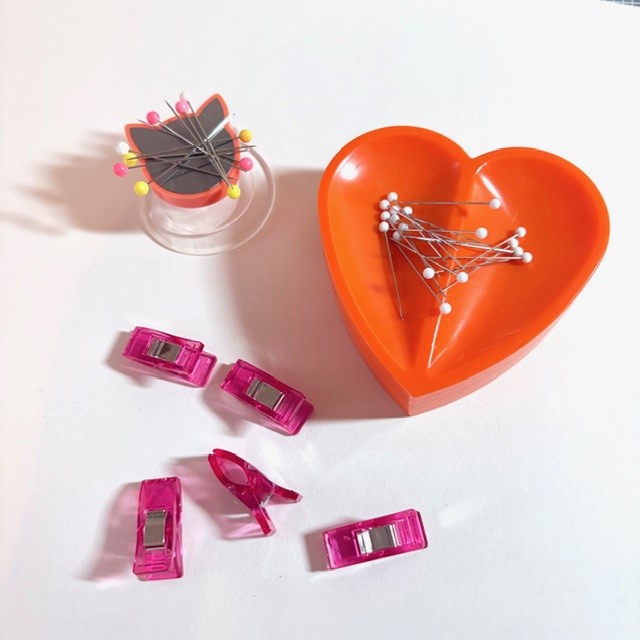
All photos in this article are provided by the designer.
Exact, precise cutting is essential when working with fabric and sewing quilts. This ensures even and accurate patterns, the fit of quilted garments, the correct measurements for home furnishings, and much more. Additionally, it prevents fabric waste and saves money. Follow along to learn about why precise cutting is important, get tips for the best ways to do this, and see the various tools and supplies that can help!
Designer Note: The ruler and rotary cutter featured are by OmniGrid. The magnetic clips and cutting mat featured are by SewTites.
Why Is Precision Important?
When you’re quilting and creating sewn items (either from scratch or from a pattern), precise cutting is imperative. Fractions of inches (or millimeters) can make or break the success of a project. Cutting off too much fabric can also make the quilt warped or uneven.
Measuring and cutting fabric more exactly can also save money. The less pieces that have to be re-cut the better, preventing waste. If too much fabric is trimmed off due to improper cutting, then there might even be enough to finish the quilt.
Tools for Cutting Fabric Accurately
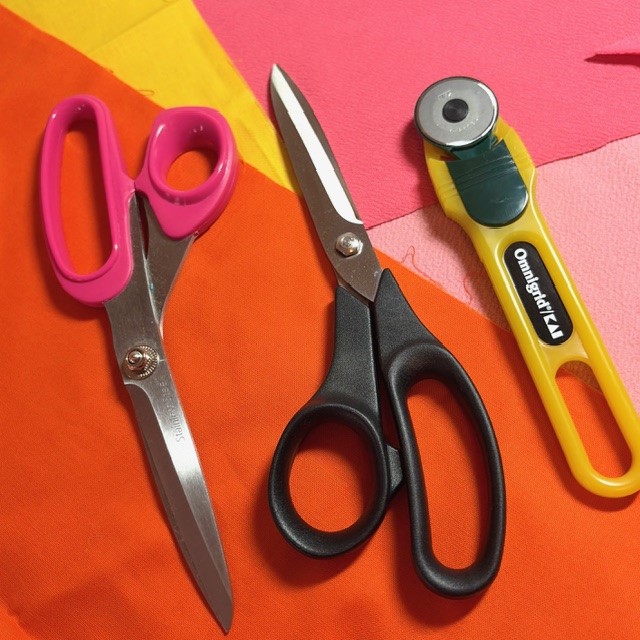
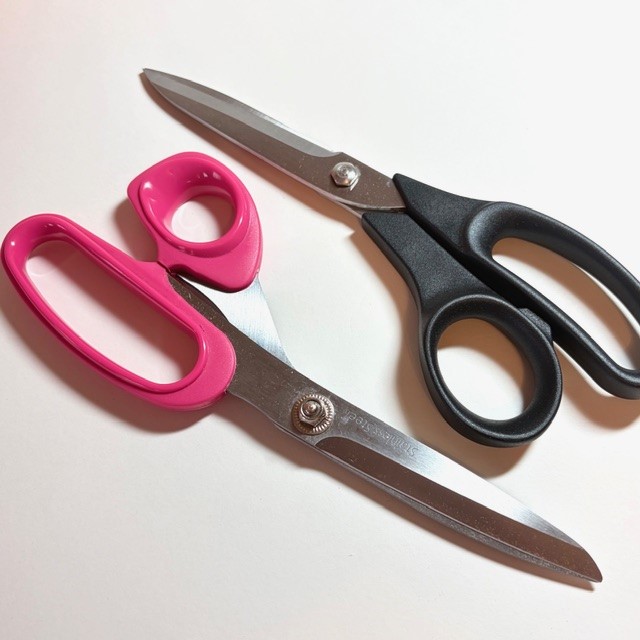
- Shears/Fabric Scissors: The most universally-popular cutting tool is the fabric scissor (sometimes known as “shears”). Invest in a quality pair of fabric scissors that will last a very long time. There are various styles of handle for comfort, as well as left-handed shears. As most sewists know, fabric scissors should only be used for cutting cloth, never other things, as this can damage them.
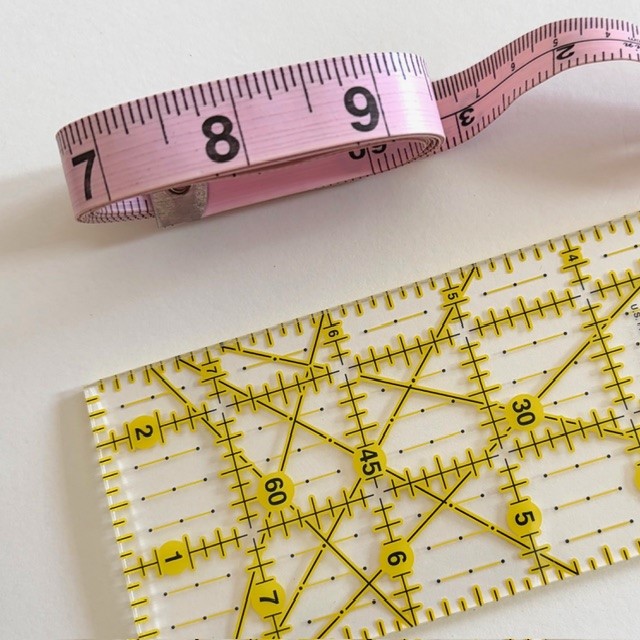
- Rulers: Devices like rulers and tape measures are essential for precise cutting for quilting. Use them to check seam allowance measurements, lengths of fabric, and much more before cutting. They can also be utilized after material is cut out to double-check dimensions. Keep in mind that some rulers might not always be accurate (due to manufacturing defects, etc.), so compare them to eliminate any incorrect tools.
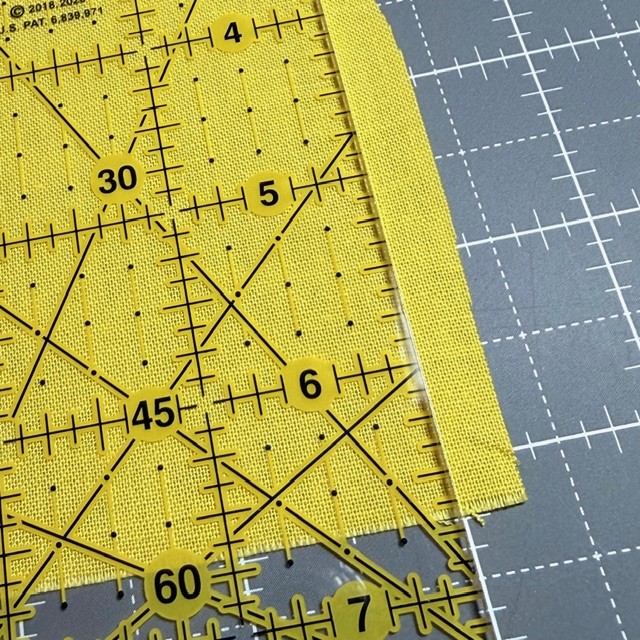
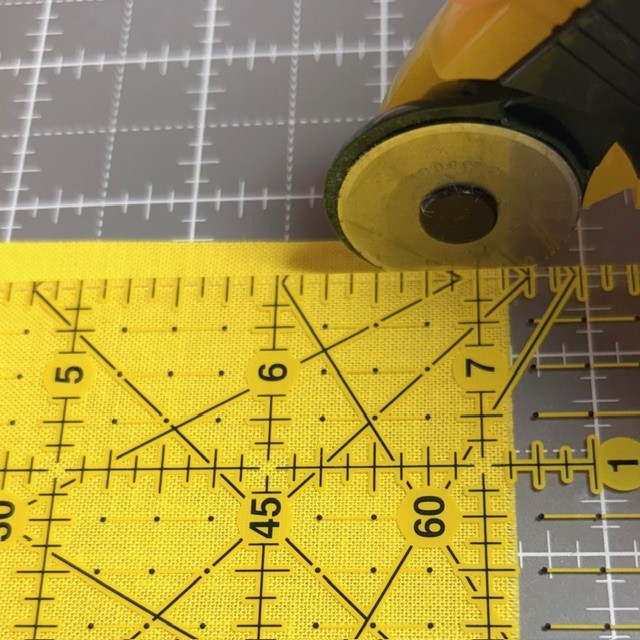
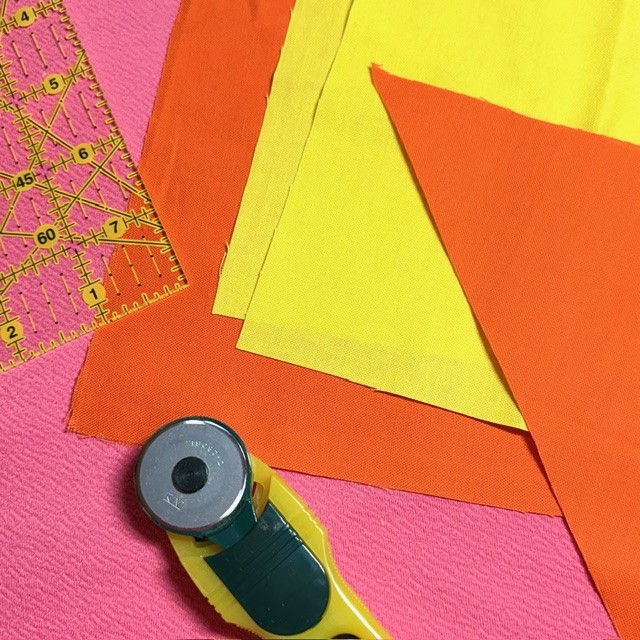
- Rotary Fabric Cutters (and Cutting Mats): Rotary cutting tools create a smooth, accurate cut, creating perfect squares and triangles for quilting. They should be paired with a self-healing cutting mat to prevent damage to both the blade and the surface below. When cutting straight lines, a clear ruler should be utilized- just be sure it is thick so the blade can stay within the edge.
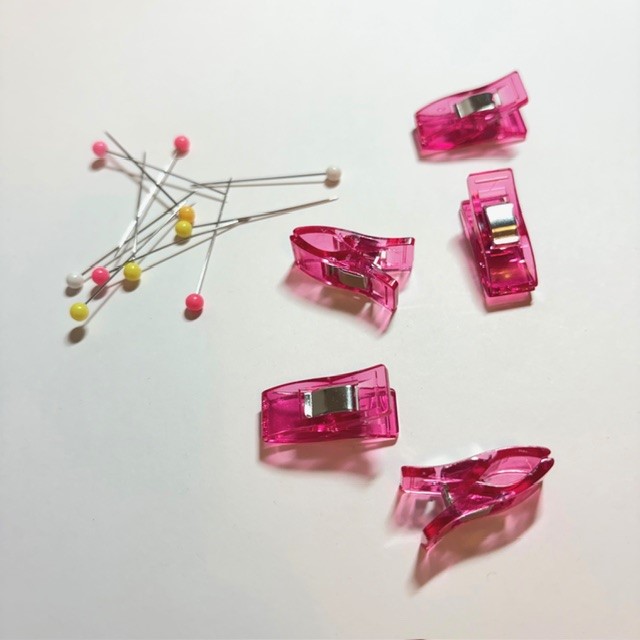
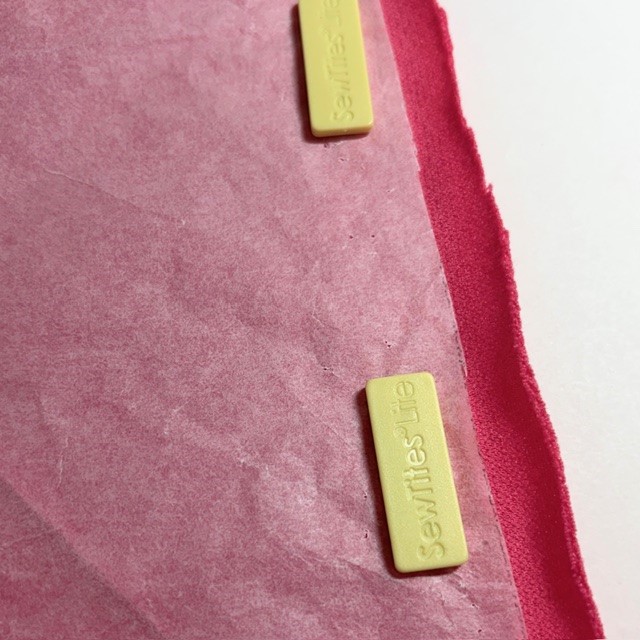
- Pins/Fabric Clips: Another crucial supply to have before cutting out fabric are pin and/or clips. They will help the material stay put when it’s being cut. This is an often overlooked part of prepping fabric to cut, but it is so important!
- Cutting Machine: For quilters, one newer way to create identical, precisely-cut triangles and squares is a cutting machine. They are specialized for just this purpose and can be pricey (though the time saved and end result might justify the expense!). Quilting conventions are the perfect place to check out these new types of machines and see which kind is right for your work.
Preparing to Cut Fabric
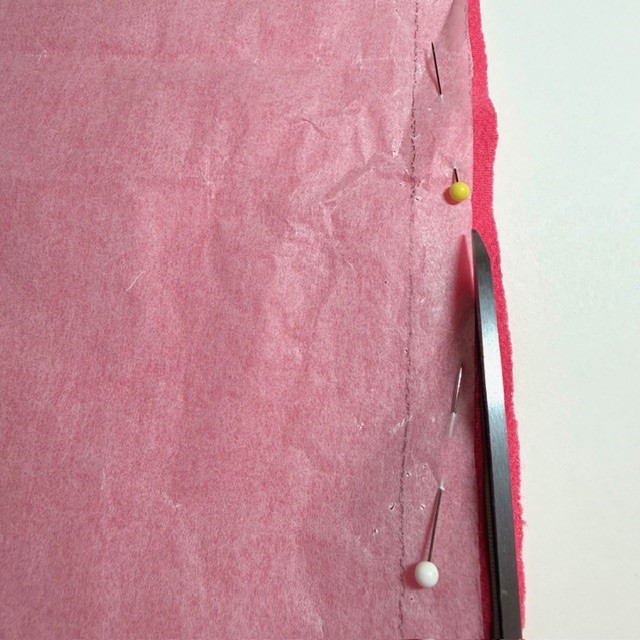
Besides physically cutting the fabric with care, the placement of pattern pieces (even squares and triangles) will also ensure an accurate result. They should be close together save material, but not so close that it makes cutting difficult (unless you are sharing edges with the next piece being cut). Double-checking measurements before cutting into the fabric will also ensure precision.
Use pins or fabric clips to keep fabric from sliding around. The material should also be flat and free from wrinkles before cutting. This will prevent inaccuracies in the final result that could throw off the look of the quilt.
Techniques for Precise Cutting
Now that we know the tools for cutting fabric precisely, let’s discuss how to cut with more accuracy. Most important of all- go slowly! Rushing or hurrying increases the chance of making mistakes and this throws off the cutting. Also, never “air cut” by holding the piece of fabric up. Instead, cut the cloth when it is flat on the table, using your other hand to gently hold the material in place.
Lastly, repairing and maintaining your cutting supplies will also give the most precise results. This includes getting your scissors sharpened, replacing rotary cutting blades regularly, and tossing any damaged tools for safety.
Keep these fabric cutting tips nearby for your next quilting project!